

Enhance your liveaboard experience with these simple Tips and make your trip even better!
Today we bring 10 tips for Liveaboard Diving that every diver should know. These come from my experience working as a Cruise Director for 10 years of my diving career.
Before we dive into the 10 Tips for Liveaboard Diving, you can check my Blog which talks about some of the best diving destinations in the world that feature locations only reachable by Liveaboard! Also soon we will talk about what’s my favorite liveaboard destinations, but this will be a different post.
So let’s dive into the Tips!
1 – Do your Research
Is this the right Itinerary/Trip for you?
I know, we all want to do the most exciting and dive into the most incredible places in the world but, is this the right trip for you?
Do your research, find out what Liveaboard companies operate where you are planning to go and look for different itineraries within the same destination. Sometimes you will find that different boats offer different itineraries, some are longer, some do less diving and more land activities, others are more luxurious, or the itinerary they target is not the exact one you want to do.
So always do your research before booking a trip, you don’t want to be showing up to a liveaboard trip without knowing where you are going to dive and under which conditions. Some destinations have lots of currents and dives are a bit more advanced, are you ok with that? Or do you need to up your training and have a bit more experience to enjoy the trip? These are questions that only you can answer, and you should be asking yourself before booking a trip.
For us as guides on Liveaboards, we want everyone to have the best time and best dives ever, but there is only that much we can do if you are not suited for the diving conditions of that specific destination. I know, this is not very nice to say, but it is the truth, and sometimes, a lower experience for a highly demanding diving destination can jeopardize everyone else’s trip as well, so be honest with yourself when asking if the trip is right for you.

2 – Insurance
I’m unsure if there is still any operator out there that would let you dive without insurance, but if there is stay well away from them.
I can’t stress enough how important it is to have good diving insurance with you when going diving, specifically when doing a liveaboard on a remote destination. It is uncommon to have such incidents as to be needing the assistance of the insurance but IF there is the need for it, you want to make sure you are covered and have a reliable company backing you up.
I experienced firsthand how important it is to have good and reliable insurance with you when traveling remotely. One of my guests, due to an infection derived from a recent surgery, had to be evacuated halfway through the trip. You can imagine just how much that would have cost without insurance that covered evacuation costs, repatriation, and medical care all the way to home base destination.
Since then, I have always had a good and competent insurance, which I am still using today from Divers Alert Network (DAN), which not only covers diving-related incidents but also covers any travel issues you might have like flight cancellations for example.
For residents in Europe, you can check the DAN insurance packages here, and for residents outside Europe, you can have a look here.

3 – Packing Light but Packing Right
As you know dive equipment is heavy and baggage allowance with some airlines, especially if taking internal flights at the final destination, can be quite restrictive so take only what you need.
If you still have that old pair of fins that weighs like a car wheel maybe it’s time to invest in some lighter fins for the trip. The same goes for your BCD and wetsuits. Even though I don’t recommend taking brand-new gear on your Liveaboard trip without having tested it for a bit back home, maybe it’s a good idea to change some of the old kit before heading out for the trip.
Remember to bring some spares with you as well, because things break and you will have to pay big bucks for a replacement onboard. So a simple spare list could be as follows;
- Mask strap x1 / Preferably spare Mask
- Mouthpiece x2
- O-ring of various sizes
- Batteries (ie dive computer, dive light…)
- Extra fin straps and buckles if using open-heel fins
- Defog solution if you are used to that
- Carabineers, clips, or lanyards
- Star tool (although if tools are needed while on board most likely the crew will be able to supply what you need)
- Zip ties
Add or remove as you see fit but this list is a good starting point.
Remember that space is limited onboard, so don’t take your full closet with you, and if possible take low-volume luggage to be able to store it easily. Once onboard remember that you won’t need shoes, so your nice pair of shoes can stay home and take the old trainers instead.
4 – Pay attention to Briefings and boat rules.
On the first day, you will receive a comprehensive briefing from the Cruise Director on which he/she will go through the boat operations, safety, emergency procedures, and house rules. These are quite important matters to pay attention to as they will clear any doubts you might have regarding, safety and overall operations, and also regarding any rules that need to be followed while onboard for example no drinking alcohol between dives if diving is intended. So make sure you pay attention to these briefings.
Sometimes it can be a bit tedious to get through the briefings after a long flight, but this is important to keep the overall safety aspect of the vessel and operations up to your standard as well. Once this is out of the way, the real fun begins!
5 – Adjust your daily routine to match the boat schedule.
With this, I mean to say that the boat will have its scheduled times for dives, meals, and so on. It’s best to try to adjust to these timings early on to have a better time onboard and not feel like you are in a rush all day.
If you like to wake up, have a coffee, and chill a bit before the start of the day, then maybe you’ll have to wake up a bit earlier than usual to keep that routine, most of the boats start their diving activities between 06.30 and 07.30 in the morning. Plan your time and routines to suit you best during the trip and make the most of every day! That’s why personal time management is great on trips like this.
If you are a late riser, there’s nothing to worry about because there would be a wake-up call happening usually half an hour before the dive briefing time.
Either way, I recommend you wake up earlier and try to catch the magical sunrises while at sea, same as sunsets, these are completely worth the effort and, trust me, there is nothing like it!
6 – Get Involved!
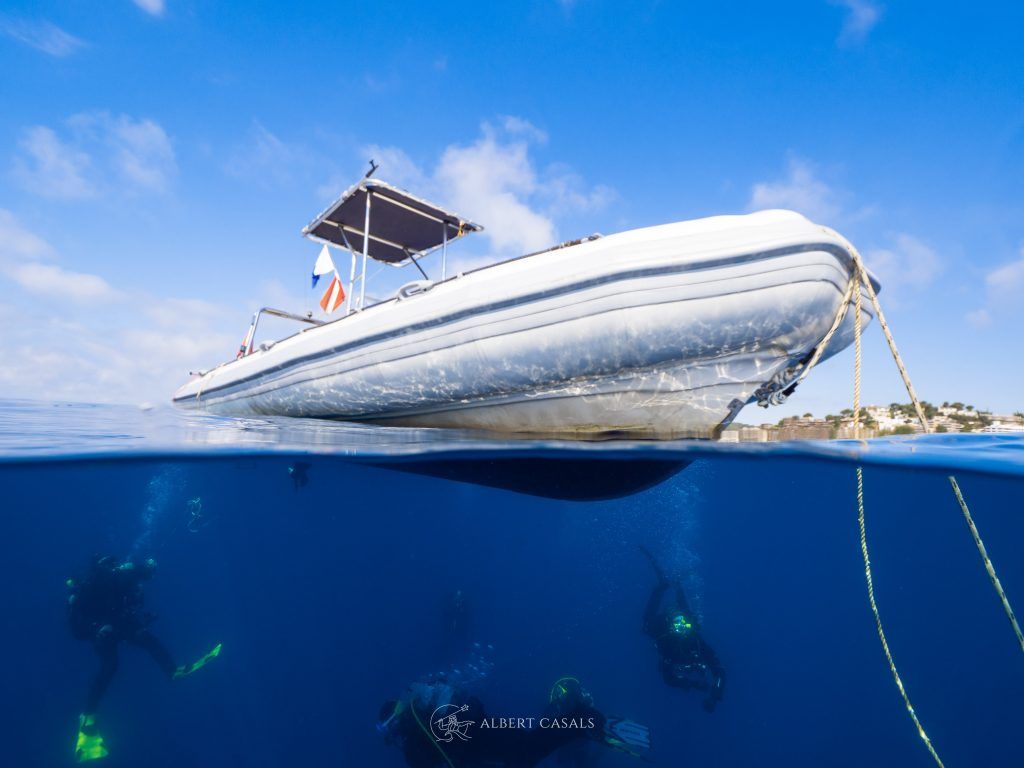
Involve yourself within the group. Liveaboards are all about sharing the experience with everyone onboard, from crew to other guests, get involved and in good spirits to make your trip even better!
The boat crew is always keen to help out with anything you might need, but they are equally, or even more, keen to have a nice chat with you, so don’t be shy and feel free to talk to anyone, from Tender drivers to deckhands, bridge crew and everyone that works indoors. They are the ones making your trip happen running the boat in a very professional manner, so make sure to show gratitude by chatting with them and being friendly whenever possible.
Usually, you’ll be closer to the dive crew, as they are the ones who will take you on the dives, and they will be extra happy to help with anything diving related. If you are the kind of diver who loves to log all your dives and write down everything that you saw on the dive, ask your dive guide to give you a hand to go through the Fish ID book to find all those strange looking animals you’ve seen during your dives.
My two cents here are to be present, enjoy the moment, forget about your phone for the length of the trip, and enjoy the ocean with your new friends.
7 – Bring some warm clothes with you
Even if your Liveaboard trip is happening in the Tropics or South East Asia, it is always a good idea to bring with you some warm clothes, like long pants and a warm hoodie for example, as after a few days of diving you will start feeling a bit tired and this will make you feel a bit colder, especially if the wind is blowing.
Some Liveaboards sell hoodies and other clothing merchandise if you rather get one from them, which can be a nice souvenir to take home.
8 – Dive with Nitrox
If you do not hold the Nitrox Certification, now is the best time to do it.
So why is diving with Nitrox a good idea? Well for the non-versed on Nitrox, one of the main benefits is that increases your bottom time, but limits your maximum depth too. This doesn’t mean that your air will last longer, which is a common misunderstanding amongst divers, what this means is that, let’s say, at 30 meters, 100 feet, deep you would usually have an approximate bottom time of 20 minutes before getting into Deco. Whereas with Nitrox 32, at that same depth, you would have 30 minutes before getting into Deco.
This works very well when doing consecutive dives for consecutive days, which is what you are going to do on a Liveaboard. By decreasing your Nitrogen intake, you extend your bottom times and make a huge difference especially for the third dive of the day or from the second day onwards.
As for me, I always dive nitrox if available, not only has the benefits mentioned above but also doesn’t get you as tired and saturated as diving with air.
9 – Pace yourself and be Kind to your Ears.
You probably figured out by now that Liveaboard diving trips are quite intense in the sense that there is plenty of diving happening every day. With up to four dives per day, this will drain your energy faster than you expect.
Pace yourself, take a nap, sleep early, and rest when possible. I know it is super exciting to be out there and we want to do everything but it’s better if you pace yourself a bit to make sure you have plenty of energy for the whole trip!
Missing a dive while on the Liveaboard is a bit of a bummer, but don’t overdo it, if you feel like your ear is bothering you a bit, you feel more tired than usual, get a break, skip that one dive so you can be back at a hundred percent for the remaining days.
You don’t want to damage your ears while on a liveaboard and have to skip the rest of diving from the trip right? So be gentle with them, as they are one, if not the most, important parts of your body to keep healthy to have a great diving trip.
Knowing one’s limits and knowing your body is very beneficial and will be of great help to know i you need to slow it down a bit during your trip.
10 – Brush up your Skills.
This one is quite obvious, but if you haven’t been diving for a while, it will be a great idea to put in some dives if you happen to be anywhere near a mass of water so you can reconnect with the underwater world and tune into diving once again. As mentioned above, diving from a Liveaboard is quite intense and if you don’t have your skills up to date, or haven’t dived for a long time, you might find it difficult on the first days, and probably on some of the more demanding dives.
If you have the chance, go for some fun dives back home and make it the perfect moment to check on your gear and skills at the same time! Everything counts towards making this trip an incredible experience!
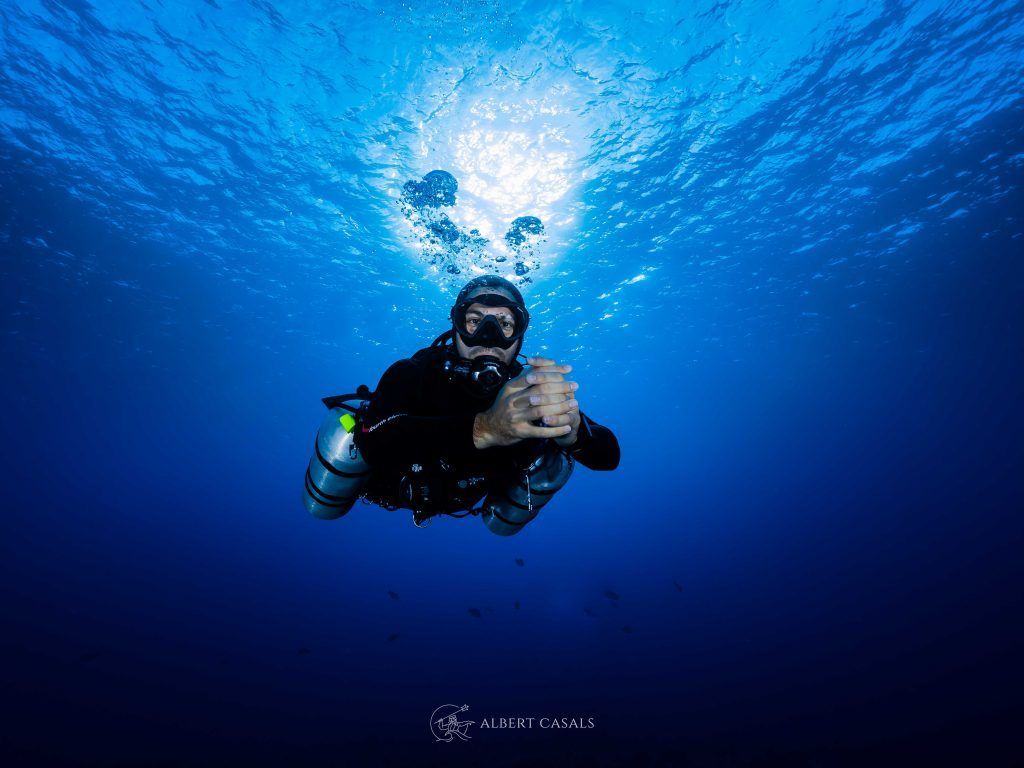
Phew that was a lot of information don’t you think?
After all this, don’t forget to have a lot of fun and enjoy your trip to the fullest!
One last recommendation will be to take some cash with you, as some Liveaboards will only take cash as payments, it’s rare but still happens, and of course, this will be useful when it comes to giving some tips to the crew for their amazing work. Also, in case your card doesn’t work for whatever reason then you have some kind of currency with you, you never know.
I hope you find the 10 Tips for Liveaboard Diving interesting and useful! And please let me know in the comments if I have missed something, or if there is something else you would like to know.
Let me know if this has helped you clear some doubts about your next trip! I can’t wait to get back in the water myself!